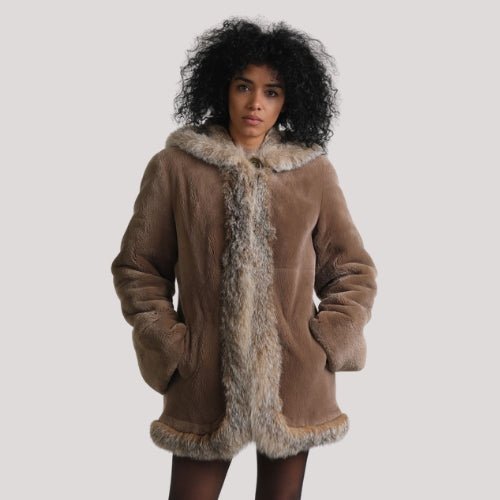

Silver Fox vs Arctic Fox vs Red Fox: A Complete Guide
What’s interesting about fox fur is that it can go from icy white to fiery orange to almost midnight black. So, at times when you look at different colored garments, chances are they all come from the same animal family. Diverse members, climates, and coat structures. Once you understand the different types of fox fur coats or jackets, it gets easier to choose when buying one.
Here, you will find the three most talked-about names in the fur fashion world. Silver has a dramatic smoky look, Arctic has that soft winter-white feel, while red has a warm, natural richness. Of course, there are other shades as well that can change the whole vibe of a jacket or coat.
So, before ending up with a long coat, a fluffy cropped jacket, a belted design, or a hooded style, it’s good to know their history. And this simple guide will walk you through the most talked-about fox fur types.
Let’s go.
TL;DR
Before getting into the finer details, this quick guide makes the main differences easier to see.
|
Feature |
Silver Fox |
Arctic Fox |
Red Fox |
|
Scientific name |
Vulpes vulpes |
Vulpes lagopus |
Vulpes vulpes |
|
What it is |
Dark color form of Red Fox |
Separate fox species |
Fox species |
|
Main look |
Black to silver with pale-tipped hairs |
White, grey, brown, or blue-grey |
Red, orange, brown, with darker markings |
|
Coat character |
Long, full, flowing |
Very dense and insulating |
Full, soft, and varied |
|
Seasonal color |
Does not follow the Arctic white-to-brown change |
White and blue-grey color phases occur naturally |
Color varies by individual and morph |
|
Common style feel |
Dramatic and refined |
Frosty and soft |
Warm and natural |
1. Dark, Silky, and Naturally Striking Silver Fox

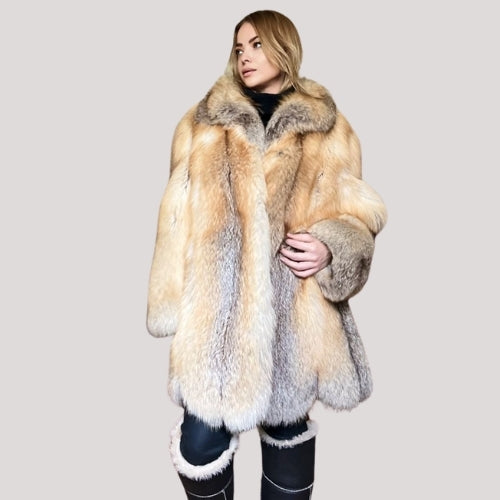
Let’s get one thing clear: silver fox is not a separate species. Scientifically known as Vulpes vulpes, it is a melanistic color form of the Red Fox. It’s found in different coats, from deep black to a lighter silver appearance, created by pale or silver-tipped guard hairs spread through the darker coat.
That mix of shades gives a pelt its smoky, almost metallic character. However, this effect looks different from one pelt to another. Some may appear almost black while others have a much brighter frost-like finish.
Distinctive Features:
- Dark fur with silver-tipped guard hairs
- Full, fluffy appearance
- Long, flowing outer hairs
- Contrast between dark and pale tones
- Often used for statement fur coats, jackets, and more
When the garment is made in such a way that lets the shade of the fur stay visible, it enhances the charm. So horizontal panels, broad collars, chevron layouts, cropped jackets, and full-length shapes will all have different effects.
One thing that you need to remember is that a fuller coat adds visual volume. A cleaner cut or narrower panel design can give the same material a more streamlined appearance.
2. Arctic Fox of the Far North

Now, the Arctic Fox is a separate species and is scientifically called Vulpes lagopus. Several features of its body help it survive the coldest temperatures. These include short ears, heavily furred feet, a short muzzle, and an exceptionally dense coat.
Its winter coat can become snowy white, while summer coloring is usually brown or grey. Some Arctic foxes naturally have a dark blue-grey coat. These foxes stay dark throughout the year instead of turning white in winter.
The Highlights:
- Shorter ears and muzzle
- Very dense insulation
- White winter coat in the white phase
- Brown or grey summer coat in the white phase
- Blue-grey to charcoal appearance in the blue phase
The Result: A soft, cloud-like look that works beautifully in winter outerwear. You may see Arctic fox fur used in short jackets, long coats, wide cuffs, and rounded collars.
3. The Classic Warm Palette of Red Fox

Again, Red Fox is from the Vulpes vulpes species, which also includes the Silver Fox color form. It has one of the widest natural ranges of any canid and is found in forests, tundra, grasslands, farmland, and even urban areas.
By the looks of it, the coat is usually reddish or orange-brown, with darker legs and lighter areas underneath. However, the color can vary, including cross and silver forms.
The Standout Features:
- Warm red, orange, brown, and earthy shades
- Darker legs and back markings
- Full bushy tail
- Natural color variation
- Broad geographic range
The outerwear made of red fox fur brings a warmer mood to winter clothing. Rich brown, cream, camel, olive, burgundy, and black can all sit naturally beside its earthy tones.
The exact appearance can vary a bit. Some clothing items have a bright copper look, while others lean toward muted brown or deeper red.
How the Fur Looks in Different Styles
Fur appeal looks different depending on how it is cut.
Jackets
Cropped or waist-length outerwear mostly focuses on the collar, sleeves, and upper body. Wide horizontal sections come off as a soft, rounded look, whereas slimmer panels can feel cleaner.
Full-Length Coats
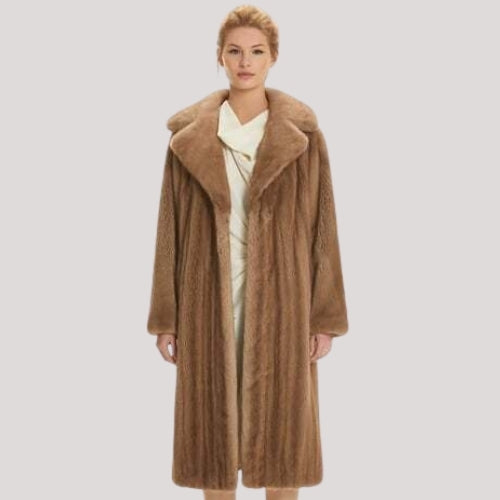
Long silhouettes let texture and natural color take center stage. A belted coat can add shape at the waist; a straight coat, on the other hand, looks polished.
Hooded Styles
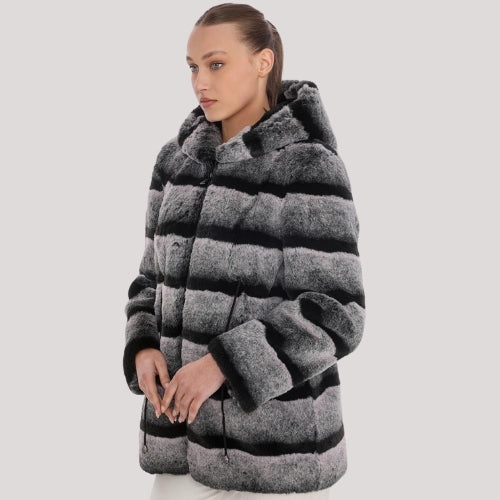
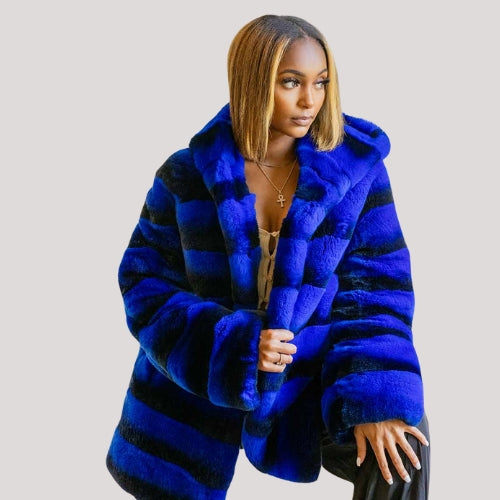
Large fur hoods offer a cozy winter effect. They can be found in classic shades or other fashion shades made of faux fur.
Color Names Can Be Confusing
You will not find a scientific name on the label. It may describe a color, a pattern, a breeding line, or a particular fur appearance.
For example:
- Blue can refer to the darker color phase of an Arctic Fox.
- Silver can describe the dark-and-silver appearance of a Red Fox.
- Cross usually refers to a darker cross-shaped marking over the back and shoulders.
- Marble can describe a patterned appearance created through selective breeding.
This is why it's important to check the color, hair length, texture, and construction while shopping, rather than just relying on the name.
Fox Fur Looks and Value
Color and species are only part of the story. Size, pelt quality, hair length and density, uniformity, condition, and craftsmanship all affect the final piece.
A silver fox fur coat value can vary widely because two garments with the same basic label may have very different age, quality, condition, and construction.
The same is the case with Arctic and red fox. A large, full garment with carefully matched pelts can have a very different price from a smaller jacket made with narrower sections.
So, if you ever wonder, “Is silver fox fur expensive?” It can be, but there is no single price attached to the name. Resale and vintage pieces are of different value, which is a reminder that condition, design, age, and workmanship matter too.
So Which Fox Fur Should Be Your Style?
There is no universal winner here. The right choice depends on the look you want from your winter outerwear.
- If you want dark, smoky, high-contrast styling, opt for silver fox.
- For pale, frosty, plush-looking designs, Arctic fox can be a natural choice.
- Red fox suits warm, earthy, natural color stories.
The types of fox fur can look completely different once they are shaped into a cropped jacket, belted coat, hooded design, chevron pattern, or long flowing silhouette.
FAQs
What does Arctic Fox fur look like?
Arctic fox fur has a soft, dense appearance. The white phase can become snowy white in winter, while its summer coat becomes grey or brown.
Is silver fox fur expensive?
It can be, but the name alone does not decide its price. Factors including pelt size and quality, age, condition, construction, design, and market demand can all affect the final value.
Why is blue fox fur called blue when it looks grey?
The name comes from the Arctic Fox's smoky blue-grey or charcoal appearance. In different lighting, the shade may look grey, slate, charcoal, or almost black.