
What Is Lamb Fur?
Furs have been there for centuries. They're soft, warm, and elevate any style. Although they all look similar, they're not necessarily sourced the same. One of the most amazing types of fur that’s globally recognized is the lamb fur.
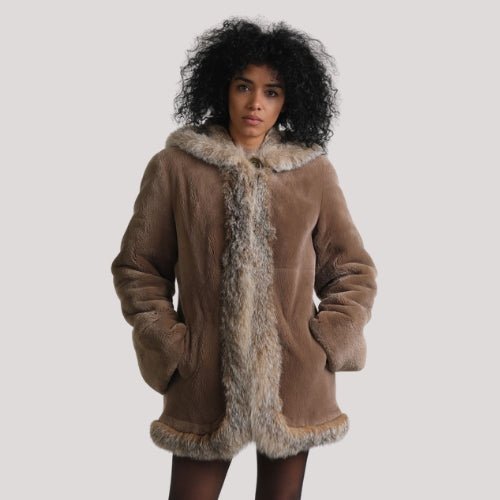
To understand lamb fur, think about touching a luxuriously warm men's real fur coat or a woman’s fur jacket, and get lost in how it feels. So what is lamb fur exactly, and why does it keep booming in the fashion industry year after year? The simple answer is that lamb fur comes from young sheep, as the name suggests, and is one of the softest, most lavish natural materials out there.
The younger the animal, the finer and softer the fur tends to be, which is why lamb fur is on a higher level than regular wool or sheepskin in terms of texture and quality. It’s all about bringing warmth, softness, and structure, all at once. It's neither stiff like leather nor feels scratchy like some wools. It feels genuinely luxurious from the moment you put it on, and that feeling doesn't fade over time.
In this blog, we will explore the different types of lamb fur, its benefits, and care tips to help you better understand this luxurious material.
Different Types of Lamb Fur

Not all lamb fur is the same. There are several distinct types, and each one looks, feels, and behaves differently, which makes them unique. First up in the list is:
Mongolian Lamb Fur
This is one of the most recognized types of fur in the world. It is appreciated for its long, silky, and wavy hair. You’ll mostly find it in coats and jackets, and it is usually kept in its natural off-white color, though some are dyed or bleached.
This can get frizzy in moist or wet conditions, so it needs a little extra care during rainy seasons.
Mouton Lamb Fur
This is the type where the hair is straightened, treated, and set to create a soft, water-repellent fur. Mouton lamb fur can be dyed in classic shades of black and brown. Also, it has a close, dense texture that feels smooth and looks polished.
Compared to other varieties of lamb fur, it's one of the most practical because of how well it holds up against moisture.
Broadtail Lamb Fur
One of the most exclusive and expensive types is broadtail lamb fur. It comes from the karakul sheep, and the pelt is thin, silky, and wavy with a unique moire patterned appeal that makes it instantly recognizable.
Another reason for being the most sought-after is its rarity.
Tibetan Lamb Fur
Tibetan lamb has longer and silkier hair, typically ranging from three to four inches in length. It is frizzier by nature, but with proper care, pieces made from this type can look stunning for years.
The only difference between Mongolian lamb fur and Tibetan fur is the length and feel of the hair.
Shearling
Shearling is a category on its own, often confused with regular lamb fur. It’s a natural sheepskin that has been sheared, with the leather side sueded and the fur side worn close to the skin. It is a natural material that keeps you warm in winter and cool in summer. The key difference in the lamb fur vs shearling comparison is that shearling always has both the leather and the wool intact, while other lamb fur types are processed differently.
So if you’re looking for exceptional warmth, the shearling fur coat is worth investing in.
Why People Love Lamb Fur
There are a few very clear reasons why lamb fur has stayed at the top of the outerwear world for so long.
Incredibly Warm
Lamb fur is a premium natural material known for its softness, warmth, and luxurious appearance. It’s fine, dense fleece traps heat, which makes it one of the most effective materials for cold conditions.
Lasts a Long Time
Unlike synthetic versions that break down after a few seasons, a well-made lamb fur piece can last for decades with the right care. This is the reason why it’s considered a long-term investment rather than something you replace every year.
Gets Better With Age
Real fur coat softens and becomes more personal the longer you wear it. It molds to your body and develops a unique richness that simply can't be bought.
Versatility
From full-length lamb fur coats to cropped jackets, it works across a wide range of pieces and styles. This also shows just how many ways this material can be utilized.
Now that you know what lamb fur is and how it stands out, it’s time to see…
Lamb Fur Coat Care Tips
The lamb fur garments are extremely durable, but taking care of them is what keeps them looking good and lasts longer. Here are some simple tips that make a real difference.
- Use a soft-bristled brush regularly to remove dirt/dust and keep it fluffy.
- Air it regularly and condition the leather backing annually or twice a year (depending on how often you wear it) to keep both sides of the hide in good condition
- Avoid soaking it wet. It can dry out quickly and lose its shape when exposed to too much moisture.
- Store it in a breathable garment bag during the off-season.
- Keep it away from heat and direct sunlight, as it can dry out the fur and cause it to lose its softness and shape over time.
- Get it professionally cleaned once a year.
FAQs
What is lamb fur made from?
Lamb fur is sourced from young sheep and is known for being soft, supple, and warm. The younger the sheep, the finer and softer the fur tends to be.
What is the most expensive type of lamb fur?
Broadtail lamb is one of the most expensive types. It’s thin, silky, and has a wavy pelt with a unique pattern.
Can lamb fur be dyed?
Yes, lamb fur can be dyed. However, the natural shades age better and look richer over time.
Is lamb fur the same as shearling?
Not really. Shearling keeps the hide and wool together in their natural state. Lamb fur, on the contrary, goes through additional processing to achieve different textures and finishes.